The Five Stages of a Dying Company
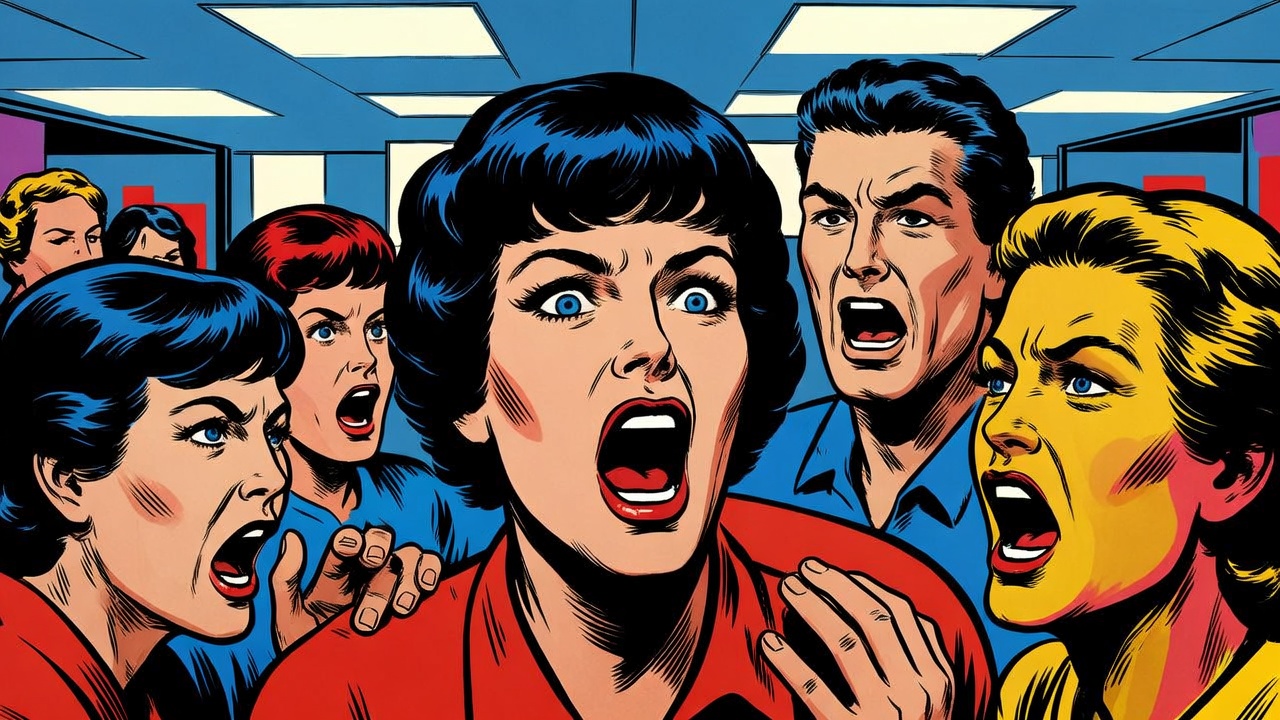
Elisabeth Kübler-Ross described the five stages of grief: denial, anger, bargaining, depression, acceptance.
Entrepreneurs losing liquidity pass through these same stages—except the object of grief is a company, not a person.
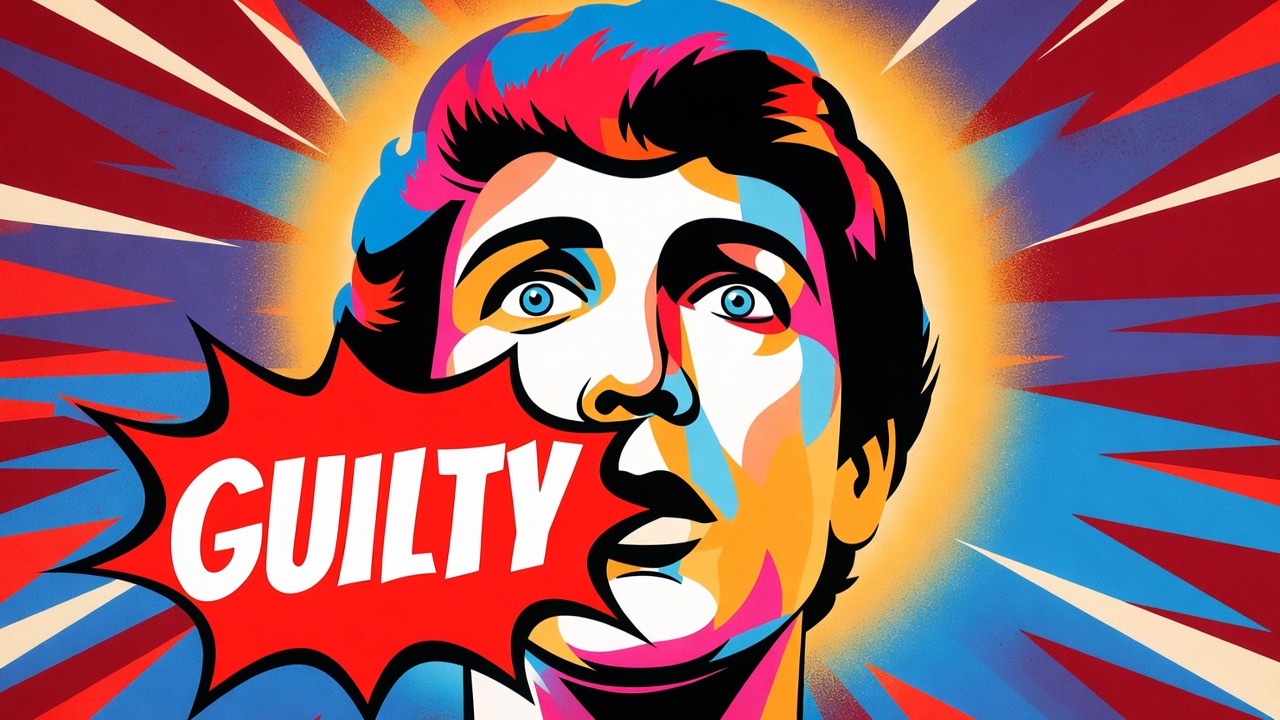
Denial: “This is temporary. Next quarter will be better.” Anger: “It’s the banks’ fault, the clients’, the economy’s.” Bargaining: “If I can just close this one contract, everything will turn around.” Depression: “There’s no point, it’s all lost anyway.” And finally acceptance—which opens the door to rational action.
The problem is that by the time an entrepreneur reaches acceptance, it is often too late. A company that six months earlier had a chance at restructuring now isn’t even fit for bankruptcy—the insolvent debtor’s assets wouldn’t cover the costs of insolvency proceedings.
Restructuring is a tool for those who leap to acceptance faster than their psyche would like.
Present Bias: The Trap of Now
Daniel Kahneman and Amos Tversky documented the phenomenon behavioral economists call “present bias”—the tendency to overvalue immediate relief at the cost of future consequences.
An entrepreneur in trouble refinances a loan to lower today’s payment—without calculating that in three years the total owed will be twice as high. He takes a payday loan to cover payroll taxes—because today it solves the problem, and tomorrow is an abstraction. He postpones a difficult conversation with creditors—because today it hurts, and the consequences of delay are distant.
Present bias explains why companies spiral into debt instead of seeking restructuring. Each decision in isolation seems rational. The sum of those decisions is catastrophe.
Excessive Optimism
Richard Thaler, the Nobel laureate in behavioral economics, studied how we systematically overestimate our own chances. Entrepreneurs are masters of this error—otherwise they wouldn’t start companies in industries where most fail.
The same optimism that helps build hinders rescue. “Next quarter will be better.” “That client will finally pay.” “The market will bounce back.” Each of these beliefs may be true. The problem is that an entrepreneur in crisis believes all of them at once—and acts as though the best-case scenario were certain.
Excessive optimism is not a character flaw. It is a cognitive error that can be corrected—if someone from outside shows the numbers without emotion.
The Revolving Door
Research on the “bankruptcy revolving door” shows that individuals who have been through insolvency once have a significantly higher probability of going bankrupt again. Not because they are immoral. Because the same patterns of thinking that led to the first crisis recreate the conditions for the next.
Present bias doesn’t disappear after discharge. Excessive optimism doesn’t disappear. The tendency to avoid difficult information—opening letters, analyzing statements—doesn’t disappear. Without conscious work on these patterns, history repeats.
This is why good restructuring is not just about writing off debt. It is about changing how one thinks about money, risk, and the future.
Sunk Cost Fallacy: The Trap of What You’ve Already Spent
“I’ve already put so much into this.” That sentence destroys companies.
Psychologists call it the “sunk cost fallacy”—the tendency to continue losing ventures because giving up would mean admitting that past investments were a mistake.
An entrepreneur keeps an unprofitable branch because “it cost so much to open.” He doesn’t close a loss-making product line because “we already invested in the machinery.” He doesn’t fire an ineffective manager because “he’s been with us so many years.”
Restructuring requires the ability to cut what isn’t working—regardless of what it cost. This is psychologically the hardest part of the process. And the most important.
Status Quo Bias: The Trap of Inertia
People prefer the current state of affairs, even when it is objectively worse than the alternatives. This is “status quo bias”—inertia that makes it easier to change nothing than to change anything.
In the context of restructuring, this inertia is deadly. The entrepreneur knows he should renegotiate contracts, lay off part of the workforce, shut down unprofitable projects. But each of these decisions requires action—and inaction requires nothing.
Restructuring law introduces an external impulse: a court deadline, a supervisor, a schedule. This impulse breaks inertia—it forces decisions that would otherwise never be made.
Avoidance: The Letters You Don’t Open
Chronic financial stress triggers avoidance behavior. The entrepreneur stops opening letters from the bailiff. He doesn’t answer calls from the bank. He doesn’t check the account balance. He ignores signals, because every signal is pain.
This avoidance is understandable—but destructive. Problems don’t disappear when you can’t see them. They grow. Interest accrues. Deadlines pass. Creditors lose patience.
The first step in any restructuring is breaking avoidance: open every letter, list every creditor, count every obligation. Only when you see the whole picture can you begin to plan.
New Beginning or a Rerun?
Research shows that discharge itself brings psychological relief—reduced stress, improved mood, a sense of closure. But that relief can be illusory if it isn’t accompanied by a change in patterns.
People who treat restructuring as a “tool”—a technical solution to a problem—fare better than those who treat it as “failure” or “salvation.” A tool can be used consciously. Failure paralyzes with shame. Salvation relieves one of responsibility.
Restructuring is a new beginning only when it comes paired with a new way of thinking. Without that, it is merely an intermission before the next crisis.
Final Thought
John Maynard Keynes wrote: “Markets can remain irrational longer than you can remain solvent.” That sentence should hang in every entrepreneur’s office.
Restructuring is an admission that the market proved irrational longer than your company could withstand. This is not failure—it is diagnosis. And diagnosis is the first step toward treatment.
You can wait for a miracle. You can act.
The choice—as always—is yours. So are the consequences.