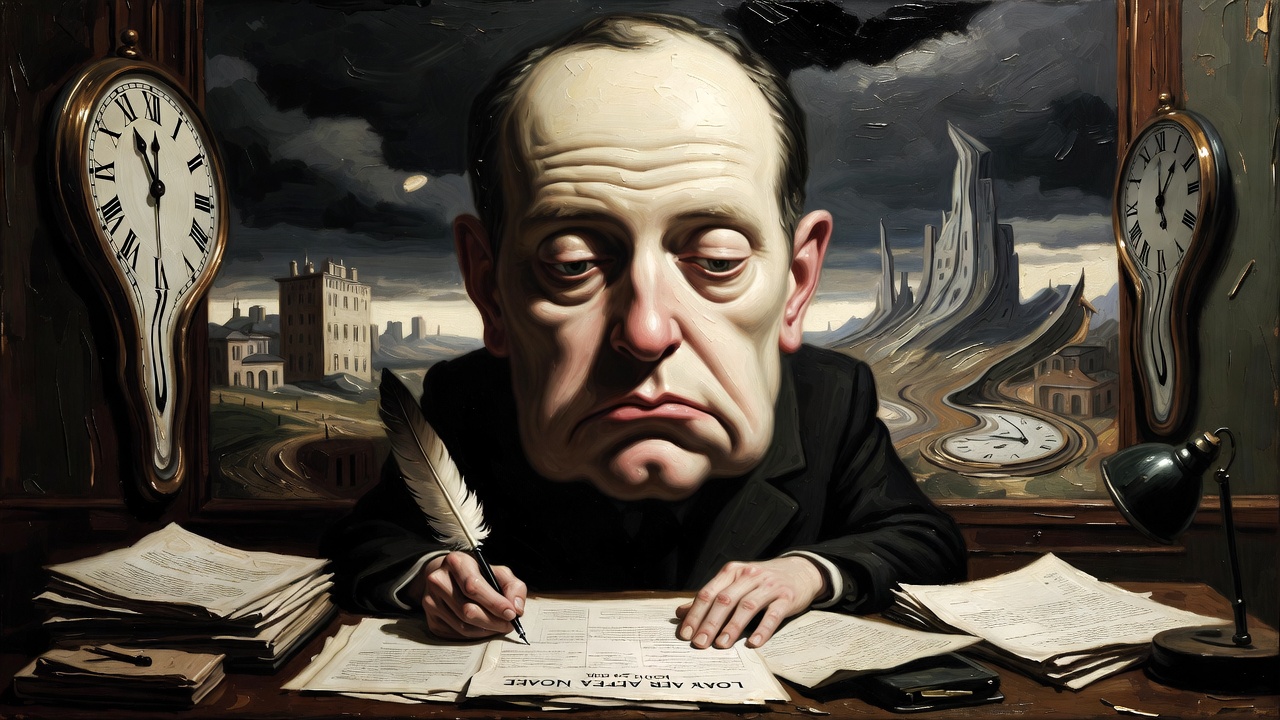
The Quiet Invasion
In military terminology, there is a concept called reconnaissance in force—sending a small unit to test the enemy’s reaction, identify their positions, assess their readiness to defend. It is not yet an attack. It is a test.
Preliminary inquiries are the tax system’s equivalent of reconnaissance in force.
A letter arrives. Innocent in tone. A request for clarification. A few questions about a return. Perhaps a demand for documents. Nothing dramatic. Nothing that would seem to require alarm.
Most entrepreneurs treat it exactly as the system intends: as a formality. They respond quickly, wanting to be done with it. They send what was requested. Sometimes they send more than was requested—just in case, to demonstrate good faith.
And that is their first mistake.
Least Formalized, Most Dangerous
The Tax Ordinance classifies preliminary inquiries as the least formalized procedure. This sounds reassuring. It suggests something light, preliminary, insignificant.
But the absence of formality is not your protection. It is the absence of protection.
In a tax audit, you have defined rights. In tax proceedings, there are deadlines, procedures, procedural guarantees. In preliminary inquiries, you are in a gray zone. The authority asks, you answer. The authority demands, you deliver. There are no protocols, no formal initiation, no moment at which you can say: here begins my defense.
And everything you say and write remains in the file. And may be used later—when the gray zone transforms into a full-scale audit.
The Trap by Design
The system knows that people are most open when they sense no threat.
Psychology recognizes this phenomenon: in a state of relaxation, we lower our guard, say more than we intended, share information no one requested. This is a natural social mechanism—and an easy one to exploit.
Preliminary inquiries are designed to induce this state. Informal. Friendly in tone. No dramatic headers. Questions that sound like a request for help clarifying a minor ambiguity.
Meanwhile, the reconnaissance continues. The authority maps your accounts. Identifies patterns. Searches for points worth probing deeper. Observes how you react to questions—whether you are confident or nervous, whether you answer precisely or at length.
This is a test—and the results of this test will determine what comes next.
The Moment You Won’t Notice
There is a critical moment in preliminary inquiries that most entrepreneurs fail to recognize.
It is not the moment the first letter arrives. It is the moment the authority decides it wants to know more. When questions begin to concern details not in the return. When the demand for documents exceeds what you formally submitted. When the tone—still polite—becomes more insistent.
At this moment, preliminary inquiries cease to be reconnaissance and become preparation of the ground for an audit.
If you do not recognize this shift, you will continue responding as if to a routine query. You will supply material that will be used to build a case against you. You will help construct charges without knowing you are doing so.
Clausewitz wrote that the most important thing in war is recognizing the culminating point—the moment after which initiative passes to the other side. In preliminary inquiries, this point is often invisible. But it exists.
What You Reveal by Answering
Every response to a letter from the authority is information. Not only about what was asked—but about you.
How quickly do you respond? Are you nervous? Do you answer the question precisely, or add explanations no one requested? Is your documentation organized? Do you have it at hand, or must you search for it?
An experienced official reads not only the content of your response. They read its context. And draw conclusions.
An entrepreneur who responds chaotically, in panic, delivering mountains of material “just in case,” signals one thing: that they are unprepared, that they can be pushed onto the defensive, that an audit will likely find something they themselves overlooked.
An entrepreneur who responds calmly, precisely, only to what was asked, signals something else: that they know what they are doing, that they have support, that an audit may prove more difficult than anticipated.
The tone of your response shapes the future of the case.
The Strategy of Early Intervention
The most effective defense begins before you know you need one.
In preliminary inquiries, this means: treat every letter from the tax office seriously. Even if it looks innocent. Even if it concerns a trifle. Because a trifle may be a probe—and a probe may be the prelude to something far more serious.
Do not answer questions before analyzing them. Do not send documents before verifying exactly what was demanded—and whether the demand is justified. Do not write explanations that go beyond what was asked.
How We Can Help
We represent entrepreneurs from the first letter. We analyze the authority’s demands and help formulate responses—precise, lawful, giving no more than necessary.
We recognize the moments when preliminary inquiries transform into something more serious—and help adjust strategy accordingly.
We participate in official inspections, ensuring that the entrepreneur’s rights are respected.
We build documentation from the start—in case reconnaissance turns into war.